April 03, 2026
 389
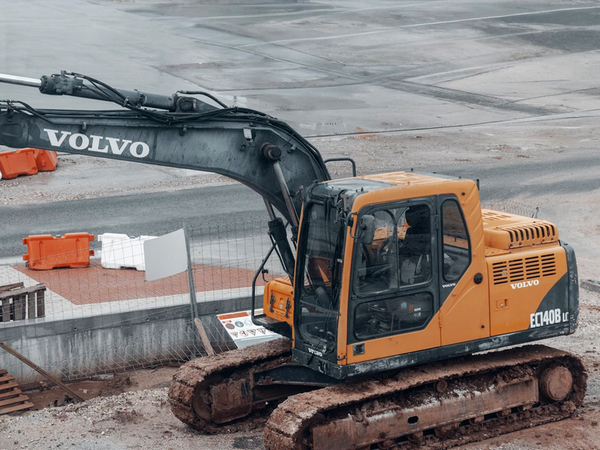
389As a core piece of equipment in construction projects, the safe operation of excavators directly impacts both construction efficiency and personnel safety. Adhering to standardized operating procedures not only reduces the risk of accidents but also effectively extends the equipment’s service life. The following sections outline key points for the three phases: before, during, and after operation.

1. Key Preparations Before Operation
Before commencing work, thoroughly assess the construction environment, including the depth of excavation, slope conditions, and the locations of underground cables, pipelines, and other obstacles to ensure construction safety and control.
At the same time, inspect the equipment in accordance with routine maintenance requirements, including checking fuel, lubricant, and coolant levels; verifying the normal operation of the electrical and hydraulic systems; inspecting for leaks in the piping; and ensuring the integrity of critical structural components. After starting the equipment, confirm that all gauges, the braking system, and the working mechanisms are functioning properly.
It is particularly important to note that once the engine is running, personnel must not remain in the area above the bucket, boom, or the equipment to prevent accidents.
2. Safety Guidelines During Operation
When operating the excavator, park it on firm, level ground. If necessary, use shims to reinforce the base and ensure the equipment is stable. During excavation, control the digging depth and range of motion to avoid impact on the equipment caused by overly forceful operations.
During loading and swiveling operations, ensure no personnel are present within the work area. Loading must only be performed after the vehicle has come to a complete stop and the driver has exited. Additionally, swiveling operations should be performed smoothly, avoiding sharp turns or emergency braking.
When traveling on slopes or complex terrain, control speed and gradient; coasting in neutral is strictly prohibited. When operating near high-voltage lines or underground cables, maintain a safe distance and implement protective measures.
If unusual noises, odors, or abnormal temperatures occur during operation, stop the machine immediately for inspection; continuing to operate with a malfunction is strictly prohibited.
3. Post-Operation Precautions
After completing work, park the equipment in a safe, level area, align the machine body, lower the bucket, place all controls in neutral, engage the parking brake, and shut off the engine.
Subsequently, perform necessary cleaning and inspections in accordance with maintenance procedures to ensure the equipment is in good condition. Finally, close all doors and windows, lock the equipment, and confirm there are no safety hazards before leaving.
Safe operation of excavators is essential throughout the entire construction process. By streamlining operational procedures and strengthening management of critical steps, we can not only improve construction efficiency but also effectively reduce equipment failure rates and safety risks.



-
 Algeria Customer Visited EONMAC OfficeDecember 03, 2025
 -
 Bangladesh Customer Visited JAC FactoryOctober 11, 2025
 -
 Kyrgyzstan Customer Visited ZOOMLION FactoryJanuary 31, 2024
 -
 Colombia Customers Visted SEM FactoryDecember 08, 2023
-
 Ecuador - 3 Units LONKING FD225 Crawler ExcavatorDecember 17, 2025
 -
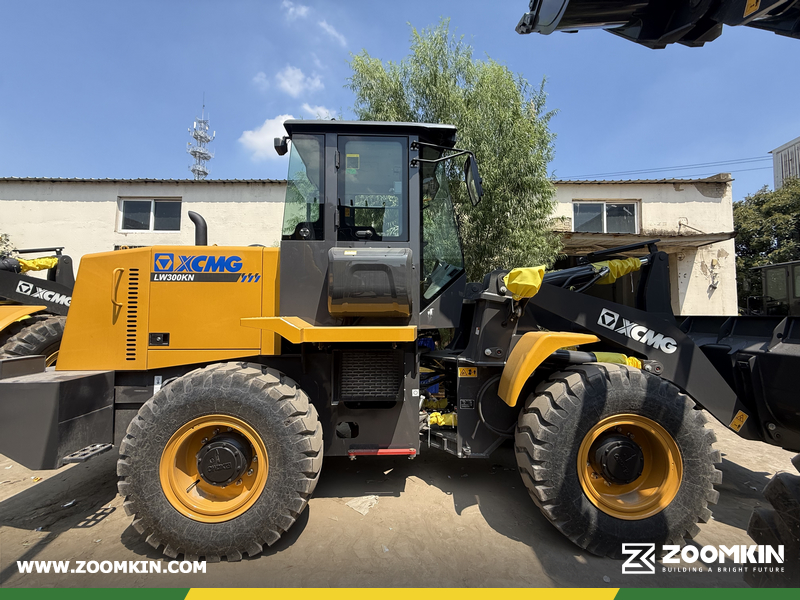 Bangladesh - 1 Unit XCMG LW300KN Wheel LoaderNovember 09, 2025
 -
 Argentina - 7 Units LUTONG LTY504 Wheel TractorOctober 31, 2025
 -
 Algeria - 1 Unit XCMG XC968 Wheel LoaderOctober 10, 2025
 -
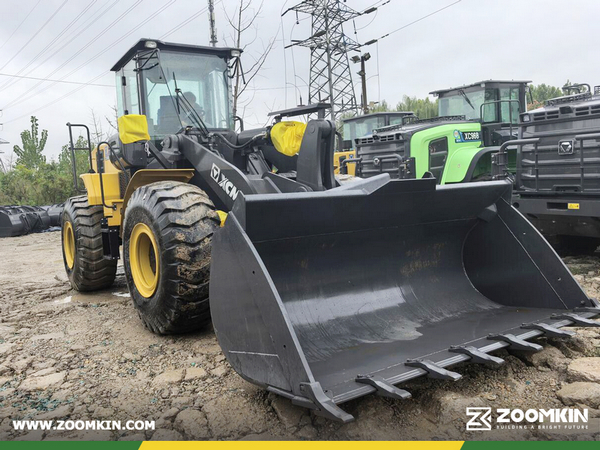 UAE - 2 Units XCMG ZL50GN Wheel loaderSeptember 24, 2025

 +86-592-6166-299
 +86-139-5926-1266
+86-159-5923-7232
 +86-592-6166-299
 Suite 1602, Qinggong Building, No. 366 Hubin South Road, Siming District, Xiamen City, Fujian, China