December 19, 2025
 498
498As critical equipment in road construction and infrastructure development, the operational status of road rollers directly impacts construction quality and work efficiency. Scientific and standardized maintenance not only reduces failure rates but also significantly extends the service life of the entire machine. This document systematically outlines key maintenance points covering daily use, periodic maintenance, and storage/transportation of road rollers, providing technical guidance for stable equipment operation.
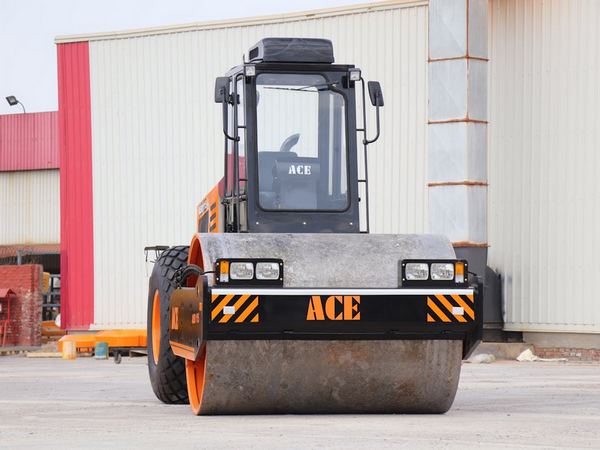
Daily maintenance forms the most fundamental and critical component of the roller maintenance system. After each work shift, conduct a thorough cleaning of the entire machine. Promptly remove dust, oil residue, and mud/debris from the body, vibrating drum, and key component surfaces. Pay particular attention to the exterior surfaces of the diesel engine, starter motor, fuel injection system, hydraulic pump, and hydraulic lines to prevent potential hazards caused by contaminant buildup. Simultaneously, flush the radiator, engine oil and hydraulic oil coolers, and cylinder head cooling passages. Inspect for leaks to ensure the cooling system remains in optimal condition.
During inspections, prioritize checking the tightness of all connection points, especially critical load-bearing areas like engine mounting bolts, drive shafts, and transmission mounting bolts. Tighten any loose fasteners immediately. Maintain tire pressure within specified limits and confirm secure tire mounting. Additionally, monitor bearing temperature rise and check the tension of drive belts and air compressor belts, adjusting as necessary. For lubrication, strictly adhere to the manual's requirements for periodic grease application at all lubrication points. Travel bearings typically require replenishment with sufficient calcium-based grease after approximately 20 days of operation to minimize wear risks.
Routine maintenance focuses on the roller's critical systems. The transmission should be cleaned and serviced quarterly or as specified in the manual. After draining old oil while the engine is warm, flush with kerosene before refilling with compliant gear oil and ensuring accurate oil level. Simultaneously, inspect and adjust the positioning devices of the shifting and reversing mechanisms to prevent gear disengagement incidents. Address seal leaks promptly to ensure structural stability and reliability.
The hydraulic system, a core power component, requires focused attention on the installation status and sealing integrity of filters, valves, pumps, motors, and cylinders. Monitor hydraulic fluid levels continuously via the sight glass. When replenishing, use only filtered hydraulic oil of the same brand and grade to prevent premature system wear from mixing different fluids. The hydraulic oil tank should undergo cleaning and oil replacement approximately every six months. Filters should be cleaned or have their elements replaced after accumulating approximately 500 hours of use to maintain system cleanliness.
As a critical component for compaction operations, the lubricating oil in the vibrating wheel should be changed at specified intervals. Maintain cleanliness during oil changes and simultaneously check the oil level. The main clutch requires regular inspection of the control mechanism's adjustment status to ensure consistent separation rod positioning and proper clearance. Avoid contamination of the friction plates and pressure plate surfaces with oil. For the battery, keep the surface clean and periodically check the state of charge to prevent prolonged undercharging from affecting its service life.
During periods of inactivity, store the roller in a dry, well-ventilated warehouse. Strictly prohibit storing flammable materials nearby. If outdoor storage is necessary, select a dry surface and implement rain and moisture protection measures to prevent damage to electrical systems and metal components. For transportation, short distances may be covered by self-propulsion based on road conditions. For long distances, use a flatbed trailer and secure the frame with safety locking devices to prevent structural damage during transit.
Before performing any maintenance or repair work, strictly adhere to the operational requirements outlined in the equipment manual. For complex repairs involving hydraulic, electrical, or critical transmission systems, it is recommended that qualified professional maintenance personnel perform the work to ensure maintenance quality and operational safety.
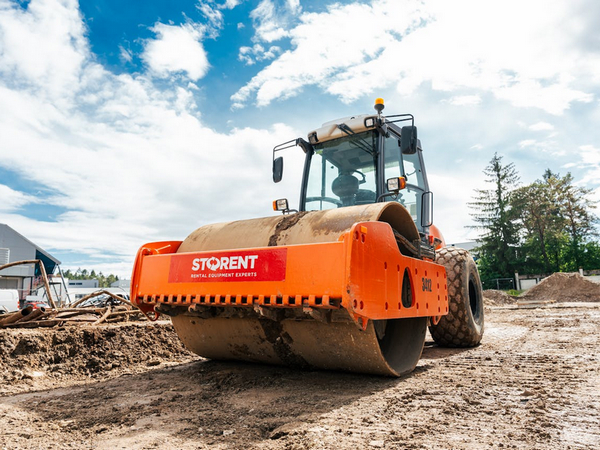
Establishing a systematic and standardized maintenance mechanism effectively ensures the stable operation of the roller under various working conditions, reduces operational risks, and provides a solid equipment foundation for the high-quality advancement of engineering projects.



-
 Algeria Customer Visited EONMAC OfficeDecember 03, 2025
 -
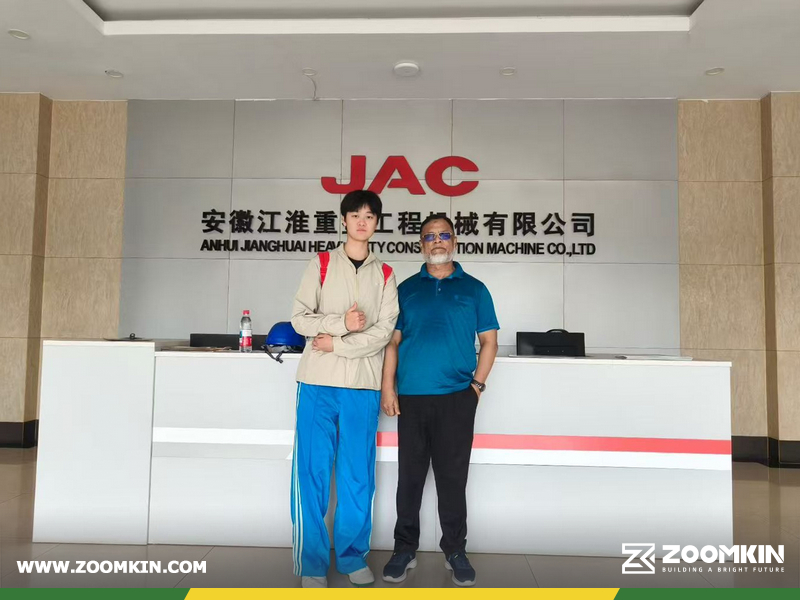 Bangladesh Customer Visited JAC FactoryOctober 11, 2025
 -
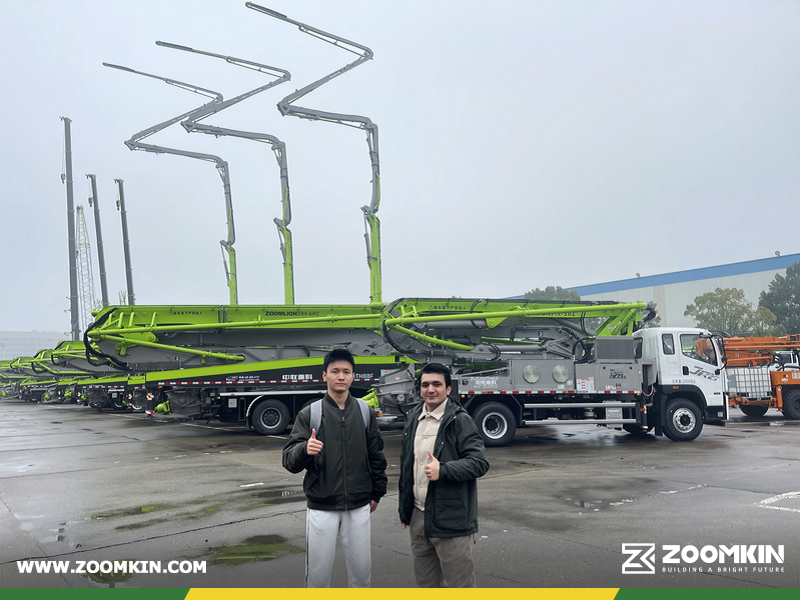 Kyrgyzstan Customer Visited ZOOMLION FactoryJanuary 31, 2024
 -
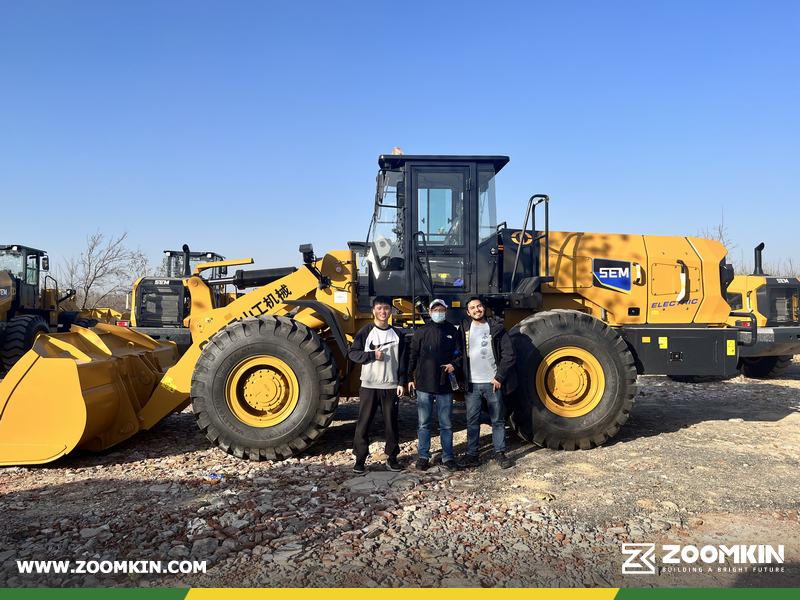 Colombia Customers Visted SEM FactoryDecember 08, 2023
-
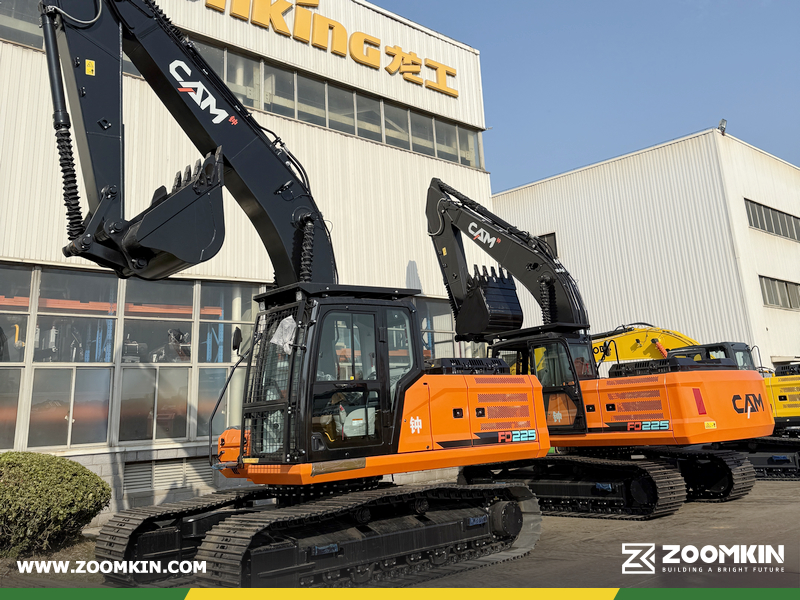 Ecuador - 3 Units LONKING FD225 Crawler ExcavatorDecember 17, 2025
 -
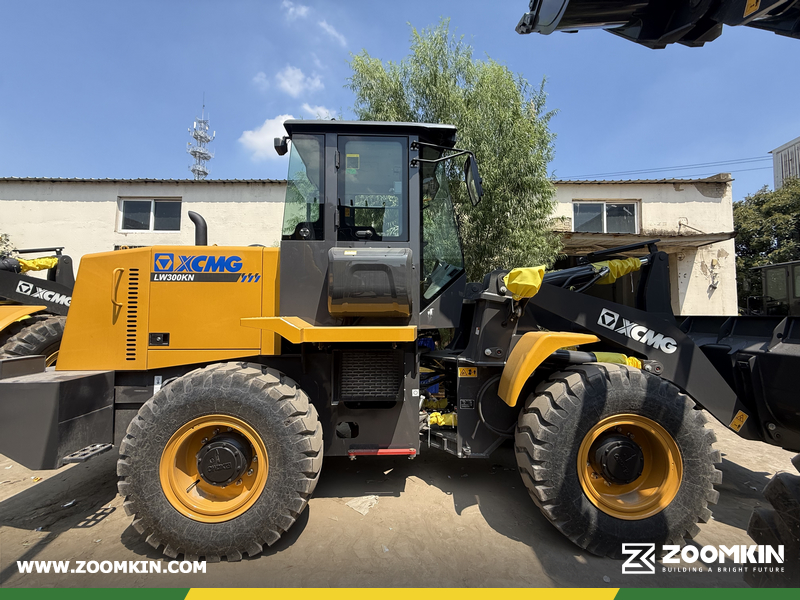 Bangladesh - 1 Unit XCMG LW300KN Wheel LoaderNovember 09, 2025
 -
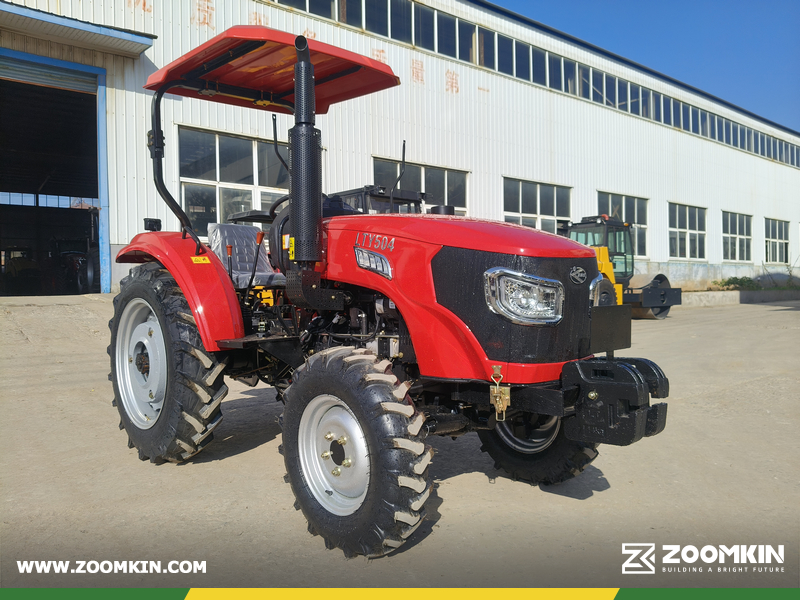 Argentina - 7 Units LUTONG LTY504 Wheel TractorOctober 31, 2025
 -
 Algeria - 1 Unit XCMG XC968 Wheel LoaderOctober 10, 2025
 -
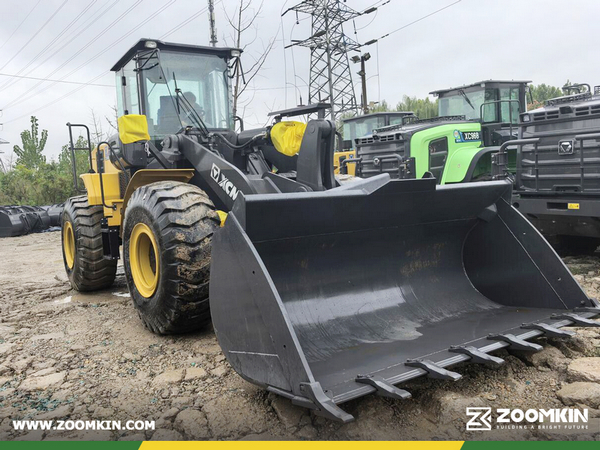 UAE - 2 Units XCMG ZL50GN Wheel loaderSeptember 24, 2025

 +86-592-6166-299
 +86-139-5926-1266
+86-159-5923-7232
 +86-592-6166-299
 Suite 1602, Qinggong Building, No. 366 Hubin South Road, Siming District, Xiamen City, Fujian, China